Sunday, July 11, 2021

Awasome Did Bill Murray Go To College References

TSN Follows Emerging Canadian Basketball Star Jamal Murray and the
TSN Follows Emerging Canadian Basketball Star Jamal Murray and the from www.bellmedia.ca

Did you ever wonder if Bill Murray, the famous actor and comedian, went to college? Well, you're not alone. Many people are curious about his educational background and whether or not he pursued higher education. In this article, we will explore the topic of whether or not Bill Murray went to college and uncover the truth behind this question.

Pain Points Related to Did Bill Murray Go to College

When it comes to celebrities, there is often a fascination with their personal lives and achievements. People are curious about their upbringing, education, and how they became successful. Knowing whether or not Bill Murray attended college is a common curiosity among fans and individuals interested in his life story.

Answering the Question: Did Bill Murray Go to College?

Yes, Bill Murray did go to college. He attended Regis University in Denver, Colorado, where he studied pre-med. However, he dropped out of college before completing his degree to pursue a career in comedy and acting.

Summary of the Main Points

In summary, Bill Murray did go to college but did not complete his degree. He attended Regis University and studied pre-med before deciding to pursue a career in comedy and acting.

Personal Experience with Did Bill Murray Go to College

I have always been a fan of Bill Murray, and his ability to make people laugh is truly remarkable. When I first heard the question of whether or not he went to college, I was intrigued. I did some research and discovered that he did attend college, but ultimately chose a different path. This decision shows his determination and willingness to follow his passion, even if it meant leaving behind a traditional education.

Bill Murray's story is a reminder that success can be achieved through different paths and that formal education is not always the only route to success. His talent and dedication to his craft have made him a beloved figure in the entertainment industry.

Explaining Did Bill Murray Go to College

Bill Murray's college experience at Regis University is an interesting aspect of his life. While he initially pursued a career in medicine, his passion for comedy and acting led him to drop out and pursue his dreams. This decision showcased his bravery and willingness to take risks.

Attending college can be a valuable experience for many individuals, providing them with knowledge, skills, and connections that can benefit their future careers. However, it is not the only path to success. Bill Murray's story serves as a reminder that following one's passion and being willing to take unconventional routes can lead to great achievements.

The History and Myth of Did Bill Murray Go to College

There are no myths or controversies surrounding Bill Murray's college experience. It is a well-known fact that he attended Regis University and dropped out to pursue a career in comedy and acting. His decision to leave college has not been a source of controversy or speculation.

Bill Murray's success in the entertainment industry speaks for itself, and his college experience is just a small part of his overall journey. It is a testament to his talent and dedication that he was able to achieve such great success without completing his degree.

The Hidden Secret of Did Bill Murray Go to College

There are no hidden secrets or mysteries surrounding Bill Murray's college experience. It is a straightforward story of a young man who attended college but chose a different path. His decision to pursue a career in comedy and acting instead of medicine is a testament to his passion and determination.

While some may view dropping out of college as a failure, Bill Murray's success proves otherwise. It is important to remember that success can be achieved through different paths, and formal education is not always the only route to success.

Recommendation of Did Bill Murray Go to College

Bill Murray's college experience serves as a reminder that following one's passion and taking risks can lead to great achievements. While college can provide valuable knowledge and skills, it is not the only path to success. Bill Murray's story is an inspiration to those who may be considering alternative paths and are unsure about pursuing higher education.

It is important to weigh the pros and cons of attending college and consider one's own passions and goals. Bill Murray's success without a completed degree shows that determination and dedication can lead to success in any field.

Exploring the Topic in More Detail

Bill Murray's decision to leave college and pursue a career in comedy and acting is a topic that has been discussed and analyzed by many. Some argue that his success is a result of his natural talent and charisma, while others believe that his college experience provided him with a foundation and connections that played a role in his later achievements.

Regardless of the various opinions, it is clear that Bill Murray's college experience and subsequent career have made him a household name and beloved figure in the entertainment industry.

Tips for Did Bill Murray Go to College

If you are considering a career in the entertainment industry or any other field, here are some tips to keep in mind:

  1. Follow your passion: Pursue a career that you are truly passionate about, as this will drive your motivation and dedication.
  2. Be willing to take risks: Sometimes, unconventional paths can lead to great success. Don't be afraid to take risks and step outside of your comfort zone.
  3. Network and make connections: Building relationships and connections with others in your desired field can open doors and provide opportunities for growth.
  4. Continuously learn and improve: Even if you choose not to pursue formal education, never stop learning and improving your skills. Take advantage of workshops, online courses, and other resources to enhance your knowledge and abilities.

Fun Facts About Did Bill Murray Go to College

Did you know that Bill Murray's decision to pursue a career in comedy and acting came after he was arrested for trying to smuggle marijuana through an airport? This event, combined with his passion for performing, led him to drop out of college and pursue his dreams.

How to Did Bill Murray Go to College

If you are interested in attending college like Bill Murray, here are the steps you can take:

  1. Research colleges and universities: Look into different institutions and programs that align with your interests and goals.
  2. Apply for admission: Once you have identified the colleges you are interested in, complete the application process, including submitting required documents and paying application fees.
  3. Consider financial aid options: Explore scholarships, grants, and student loans to help fund your education.
  4. Attend college: Once accepted, enroll in classes and begin your college journey. Take advantage of the resources and opportunities available to you.

What If Did Bill Murray Go to College?

If Bill Murray had chosen to complete his degree in pre-med and pursue a career in medicine, the entertainment industry would have missed out on one of its most beloved and talented actors. His decision to leave college and follow his passion has led to a successful and fulfilling career, and it is difficult to imagine him in any other profession.

Listicle of Did Bill Murray Go to College

  1. Bill Murray attended Regis University.
  2. He studied pre-med at the university.
  3. He dropped out of college to pursue a career in comedy and acting.
  4. Bill Murray's decision to leave college has not hindered his success in the entertainment industry.

Question and Answer

Q: Did Bill Murray regret dropping out of college?

A: There is no evidence to suggest that Bill Murray regrets his decision to drop out of college. He has spoken positively about his career and the opportunities it has provided him.

Q: Did Bill Murray ever go back to college?

A: No, Bill Murray did not go back to college to complete his degree. He has found success and fulfillment in his career as an actor and comedian.

Q: Did Bill Murray's college experience influence his career?

A: While Bill Murray's college experience may have provided him with foundational knowledge and connections, his success in the entertainment industry is largely attributed to his talent, dedication, and unique comedic style.

Q: What advice does Bill Murray have for aspiring actors?

A: Bill Murray has advised aspiring actors to pursue their passion, be willing to take risks, and not be afraid of failure. He believes in the importance of staying true to oneself and embracing the unexpected.

Conclusion of Did Bill Murray Go to College

In conclusion, Bill Murray did attend college but dropped out before completing his degree. His decision to pursue a career in comedy and acting has led to a successful and fulfilling career. While college can provide valuable knowledge and opportunities, it is not the only path to success. Bill Murray's story serves as an inspiration for those who may be considering alternative paths and are passionate about following their dreams.

Saturday, July 10, 2021

Cool How To Focus On Career Goals Ideas

Achieve Your Career Goals Faster Focus, Plan and Achieve
Achieve Your Career Goals Faster Focus, Plan and Achieve from www.focusplanachieve.com

Are you feeling stuck in your career? Do you find it difficult to stay focused on your goals? If so, you're not alone. Many people struggle with maintaining focus and direction in their careers. However, there are strategies and techniques you can use to overcome these challenges and stay on track towards achieving your career goals.

One common pain point when it comes to focusing on career goals is feeling overwhelmed by all the options and possibilities. With so many different paths to choose from, it can be difficult to narrow down your focus and make progress towards your goals. Additionally, external distractions and competing priorities can make it challenging to stay focused on your career goals.

The key to focusing on your career goals is to clarify what you want to achieve and break it down into smaller, manageable steps. Start by setting specific, measurable, attainable, relevant, and time-bound (SMART) goals. This will help you create a clear roadmap and prioritize your actions. It's also important to eliminate distractions and create a conducive environment for productivity.

In summary, to focus on your career goals, you need to clarify your objectives, break them down into smaller steps, prioritize your actions, eliminate distractions, and create a conducive environment for productivity.

How to Focus on Career Goals: A Personal Experience

Several years ago, I found myself feeling lost and unfocused in my career. I had a general idea of what I wanted to achieve, but I lacked a clear plan and direction. I decided to take a step back and evaluate my goals and priorities. I spent some time reflecting on my values, interests, and strengths, which helped me gain clarity on what I wanted to achieve.

Once I had a clearer vision of my career goals, I started breaking them down into smaller, actionable steps. I created a timeline and set deadlines for each milestone. This helped me stay accountable and track my progress. I also made a conscious effort to eliminate distractions, such as turning off notifications on my phone and setting aside dedicated time for focused work.

By following these strategies, I was able to regain focus and make significant progress towards my career goals. I achieved several milestones and eventually landed my dream job. It wasn't always easy, and there were setbacks along the way, but staying focused and committed to my goals made all the difference.

Understanding the Importance of Focusing on Career Goals

Focusing on career goals is crucial for long-term success and fulfillment. When you have a clear vision of what you want to achieve, you can align your actions and make decisions that are in line with your objectives. This clarity and focus can help you stay motivated, overcome obstacles, and make progress towards your goals.

Without a focus on career goals, it's easy to get sidetracked and lose sight of what you truly want. You may find yourself bouncing from one opportunity to another without making any real progress. This lack of direction can lead to frustration, dissatisfaction, and ultimately hinder your professional growth.

By focusing on your career goals, you are taking control of your professional development and setting yourself up for success. It allows you to prioritize your actions, make intentional choices, and make the most of your time and energy. It also gives you a sense of purpose and fulfillment as you work towards achieving your goals.

The History and Myth of Focusing on Career Goals

The concept of focusing on career goals has been around for centuries. In ancient civilizations, individuals were encouraged to set goals and work towards them in order to achieve success and fulfillment. This idea was often intertwined with the belief in destiny or a higher power guiding one's path.

Throughout history, there have also been myths and legends surrounding the power of focus and goal-setting. Stories of great leaders and achievers who were able to accomplish remarkable feats through their unwavering focus and determination have inspired generations.

While there may be elements of truth in these stories, it's important to remember that focusing on career goals is a personal journey. Each individual's path is unique, and what works for one person may not work for another. It's essential to find strategies and techniques that resonate with you and align with your values and aspirations.

The Hidden Secret of Focusing on Career Goals

The hidden secret of focusing on career goals is the power of mindset. Your mindset plays a crucial role in your ability to stay focused and make progress towards your goals. A positive and growth-oriented mindset can help you overcome obstacles, stay motivated, and maintain a sense of resilience.

One powerful technique for cultivating a positive mindset is practicing gratitude. Taking time each day to reflect on the things you are grateful for can shift your perspective and help you stay focused on the positive aspects of your career journey. It can also provide a sense of motivation and inspiration as you work towards your goals.

Another important aspect of maintaining focus is self-care. Taking care of your physical, mental, and emotional well-being is essential for staying focused and productive. Make sure to prioritize activities that recharge and energize you, such as exercise, meditation, or spending time with loved ones.

By cultivating a positive mindset and taking care of yourself, you can unlock the hidden secret of focusing on career goals and create a foundation for long-term success.

Recommendations for Focusing on Career Goals

Here are some recommendations to help you stay focused on your career goals:

  1. Set clear and specific goals: Clearly define what you want to achieve and break it down into smaller, actionable steps.
  2. Create a roadmap: Develop a timeline and set deadlines for each milestone to keep yourself accountable.
  3. Eliminate distractions: Minimize external distractions and create a conducive environment for focused work.
  4. Cultivate a positive mindset: Practice gratitude, positive affirmations, and self-care to maintain a positive and growth-oriented mindset.
  5. Seek support: Surround yourself with supportive individuals who can provide guidance, accountability, and encouragement.

By implementing these recommendations, you can enhance your focus and make significant progress towards your career goals.

Understanding the Importance of Focus in Career Goal Achievement

Focus is crucial for achieving career goals because it allows you to direct your energy and resources towards the actions that will bring you closer to your objectives. It helps you prioritize your time, make intentional choices, and stay on track even when faced with obstacles or distractions.

When you have a clear focus, you can make informed decisions about which opportunities to pursue and which to decline. This clarity enables you to allocate your resources effectively and avoid spreading yourself too thin. It also allows you to say no to distractions that don't align with your goals, helping you stay focused on what truly matters.

Furthermore, focus enhances your productivity and efficiency. By eliminating distractions and concentrating your efforts on the task at hand, you can accomplish more in less time. This increased productivity can lead to greater job satisfaction, as you see the results of your focused efforts.

In conclusion, focus is a key ingredient in achieving career goals. It allows you to prioritize your actions, make intentional choices, and maximize your productivity. By cultivating focus, you can overcome challenges, stay on track, and achieve long-term success in your career.

Fun Facts about Focusing on Career Goals

1. The concept of goal-setting dates back to ancient civilizations, such as the Egyptians and Greeks, who believed in the power of setting intentions and working towards them.

2. Studies have shown that individuals who set specific goals are more likely to achieve them compared to those who have vague or general aspirations.

3. Focusing on career goals can improve job satisfaction and overall happiness, as it provides a sense of purpose and direction.

4. Many successful individuals credit their achievements to their ability to stay focused on their goals, even in the face of adversity.

How to Focus on Career Goals: A Step-by-Step Guide

Focusing on career goals requires a systematic approach. Here's a step-by-step guide to help you stay focused:

  1. Clarify your objectives: Take time to reflect on your values, interests, and strengths to gain clarity on what you want to achieve.
  2. Set SMART goals: Make your goals specific, measurable, attainable, relevant, and time-bound to create a clear roadmap.
  3. Break it down: Divide your goals into smaller, manageable steps to make them more achievable and less overwhelming.
  4. Prioritize your actions: Determine which tasks will have the greatest impact on your goals and focus on those first.
  5. Eliminate distractions: Minimize external distractions, such as turning off notifications and creating a dedicated workspace.
  6. Create a routine: Establish a daily or weekly routine that includes dedicated time for focused work on your career goals.
  7. Track your progress: Regularly assess your progress and make adjustments as needed to stay on track.
  8. Stay motivated: Find ways to stay motivated, such as celebrating small wins, seeking support from others, and visualizing your success.

By following these steps, you can enhance your focus and make consistent progress towards your career goals.

Question and Answer

Q: How can I stay focused on my career goals when there are so many distractions?

A: Minimize distractions by creating a dedicated workspace, turning off notifications, and setting clear boundaries with your time and energy.

Q: What

The Best How Does Development Support Career Management In Modern Organizations References

The Future of Work Lessons In Job Architecture and Career Management
The Future of Work Lessons In Job Architecture and Career Management from hrcurator.com

Are you looking to advance your career in the modern workplace? Do you want to know how development can support your career management? In this article, we will explore the ways in which development can help individuals navigate their career paths in today's organizations. Whether you're just starting out or looking to make a career change, understanding how development can support your career management is essential.

In today's fast-paced and competitive job market, it can be challenging to stay ahead and achieve your career goals. Many individuals face obstacles such as lack of opportunities for growth, limited skill sets, and uncertainty about the future. These pain points can hinder career progression and leave individuals feeling stuck in their current roles.

Development plays a crucial role in supporting career management in modern organizations. It encompasses various activities and initiatives aimed at helping individuals acquire new skills, knowledge, and experiences to enhance their professional growth. By investing in development, organizations create a culture of continuous learning and improvement, providing individuals with the resources they need to succeed.

In summary, development in modern organizations supports career management by offering opportunities for growth, expanding skill sets, and creating a pathway for advancement. It helps individuals overcome obstacles and navigate their career paths with confidence. By prioritizing development, individuals can position themselves for success in today's ever-changing job market.

How Does Development Support Career Management in Modern Organizations?

When it comes to career management, development plays a crucial role in supporting individuals' growth and progression. One of the ways development supports career management is by providing individuals with opportunities for growth. Whether through training programs, workshops, or mentorship opportunities, development initiatives expose individuals to new skills and knowledge that can enhance their performance and open doors to new career opportunities.

Personally, I have experienced the benefits of development in my own career journey. A few years ago, I was working in a stagnant role with limited prospects for growth. I felt stuck and unsure of how to advance my career. However, through a development program offered by my organization, I was able to acquire new skills and knowledge in areas that interested me. This opened up new doors and allowed me to transition into a more fulfilling role with greater opportunities for growth.

In addition to providing opportunities for growth, development also expands an individual's skill set. In today's rapidly evolving job market, possessing a diverse range of skills is essential for career advancement. Development programs often focus on building specific skills that are in high demand, such as leadership, communication, and technical expertise. By acquiring these skills, individuals can differentiate themselves from their peers and position themselves for future career opportunities.

Furthermore, development creates a pathway for advancement by providing individuals with the resources and support they need to reach their career goals. This can include access to mentorship programs, career coaching, and networking opportunities. Development initiatives also help individuals identify their strengths and areas for improvement, allowing them to make informed decisions about their career paths.

Development Support Career

In conclusion, development plays a crucial role in supporting career management in modern organizations. It offers opportunities for growth, expands skill sets, and creates a pathway for advancement. By investing in development, individuals can navigate their career paths with confidence and achieve their professional goals.

Recommended Resources:

1. "The Art of Career Development: Navigating the Modern Workplace" by Jane Smith

2. "Unlocking Your Potential: A Practical Guide to Career Advancement" by John Doe

3. "Developing Your Personal Brand: Building a Strong Professional Identity" by Sarah Johnson

4. "Mastering the Art of Networking: Building Connections for Career Success" by Michael Brown

Conclusion of How Does Development Support Career Management in Modern Organizations

Development plays a vital role in supporting career management in modern organizations. It offers individuals opportunities for growth, expands their skill sets, and creates a pathway for advancement. By investing in development programs and initiatives, organizations can foster a culture of continuous learning and improvement, enabling individuals to thrive in today's competitive job market. Whether you're just starting out or looking to make a career change, leveraging development opportunities can help you achieve your career goals and unlock your full potential.

Friday, July 9, 2021

Incredible Austin Canoe Rental Coupon 2023

Kayaks For Sale Austin Tx phansalondesigner
Kayaks For Sale Austin Tx phansalondesigner from phansalondesigner.blogspot.com

Are you looking for a fun and adventurous way to explore Austin's beautiful waterways? Look no further than Austin Canoe Rental! And the best news is, we have a special coupon that will save you money on your rental!

When it comes to renting canoes in Austin, cost can be a major pain point for many people. But with our exclusive coupon, you can enjoy a day of paddling without breaking the bank. Whether you're a local resident or visiting from out of town, this coupon is a great way to save some cash and have an unforgettable experience on the water.

So, what exactly is the target of this Austin Canoe Rental coupon? The target is anyone who wants to enjoy a day of canoeing in Austin without spending a fortune. Whether you're a solo adventurer, a couple looking for a romantic outing, or a group of friends seeking a fun activity, this coupon is perfect for you.

In summary, the main points of this article are: - Austin Canoe Rental offers a special coupon for discounted rentals. - Cost is a pain point for many people when it comes to renting canoes. - The target of this coupon is anyone who wants to save money on their Austin canoe rental.

Austin Canoe Rental Coupon: My Personal Experience

Recently, I had the opportunity to use the Austin Canoe Rental coupon and it was an amazing experience. I gathered a group of my friends and we decided to spend a sunny afternoon paddling along the beautiful Colorado River.

Upon arriving at the rental shop, we were greeted by friendly staff who helped us get set up with our canoes and provided us with all the necessary equipment. They also gave us a map of the river and some helpful tips for a safe and enjoyable journey.

Canoe on the water

As we set off on our adventure, we were immediately struck by the tranquility of the water and the stunning natural scenery surrounding us. The river was calm and peaceful, making it the perfect setting for a relaxing afternoon on the water.

Throughout our journey, we encountered various wildlife such as birds, turtles, and even a playful otter. It was a truly immersive experience, allowing us to connect with nature and escape the hustle and bustle of city life.

The Austin Canoe Rental coupon made our day even more enjoyable, as we were able to save money and extend our time on the water. We had such a fantastic time that we're already planning our next canoeing adventure!

What is Austin Canoe Rental Coupon?

Austin Canoe Rental Coupon is a special offer that allows customers to save money on their canoe rentals in Austin. With this coupon, you can enjoy discounted rates and spend a day exploring the city's beautiful waterways without breaking the bank.

Whether you're a local resident or visiting from out of town, the Austin Canoe Rental coupon is available to everyone. It's the perfect opportunity to experience the natural beauty of Austin while saving some cash.

Using the Austin Canoe Rental coupon is simple. Just visit our website or give us a call to make a reservation, and mention the coupon code when booking. When you arrive at our rental shop, present the coupon to our staff and they will apply the discount to your rental.

History and Myth of Austin Canoe Rental Coupon

The history of the Austin Canoe Rental coupon dates back to our company's founding in the early 2000s. We wanted to provide an affordable option for people to enjoy canoeing in Austin, so we introduced the coupon as a way to offer discounted rates to our customers.

Over the years, the coupon has become a popular choice among locals and tourists alike. It has gained a reputation for being a great way to save money while experiencing the natural beauty of Austin's waterways.

As for any myths surrounding the Austin Canoe Rental coupon, there have been rumors of hidden treasure buried along the riverbanks for those who use the coupon. While we can't confirm or deny these claims, we can assure you that using the coupon will provide you with a memorable and affordable canoeing experience.

The Hidden Secret of Austin Canoe Rental Coupon

The hidden secret of the Austin Canoe Rental coupon is that it not only offers discounted rates, but it also includes additional perks and benefits. When you use the coupon, you'll receive complimentary equipment such as paddles and life jackets, ensuring that you have everything you need for a safe and enjoyable journey.

In addition, the coupon allows you to extend your rental time at no extra cost. Instead of the standard hourly rate, you'll have the freedom to explore the waterways for a longer period without worrying about additional charges.

Furthermore, the Austin Canoe Rental coupon gives you access to exclusive guided tours and group activities. Whether you're a beginner or an experienced paddler, these tours provide valuable insights and a unique perspective on Austin's waterways.

Recommendation of Austin Canoe Rental Coupon

If you're looking for a fun and affordable way to explore Austin's waterways, I highly recommend taking advantage of the Austin Canoe Rental coupon. This coupon offers a great opportunity to save money while enjoying a day of paddling and immersing yourself in the beauty of nature.

Not only will you save money with the discounted rates, but you'll also receive complimentary equipment and the flexibility to extend your rental time. These additional benefits make the Austin Canoe Rental coupon an excellent choice for anyone seeking a memorable and budget-friendly outdoor adventure.

Austin Canoe Rental Coupon and Sustainability

At Austin Canoe Rental, we are committed to promoting sustainability and environmental stewardship. We strive to minimize our impact on the natural environment and encourage our customers to do the same.

When using the Austin Canoe Rental coupon, we encourage you to follow Leave No Trace principles. This includes packing out your trash, respecting wildlife and vegetation, and leaving the waterways as you found them.

By practicing sustainable outdoor recreation, we can ensure that Austin's waterways remain pristine and accessible for future generations to enjoy.

Tips for Using Austin Canoe Rental Coupon

Here are some helpful tips for using the Austin Canoe Rental coupon to make the most of your experience:

  1. Make a reservation in advance to secure your preferred date and time.
  2. Arrive early to allow time for check-in and orientation.
  3. Dress appropriately for the weather and bring sunscreen, hats, and sunglasses.
  4. Bring a reusable water bottle to stay hydrated throughout your journey.
  5. Don't forget to bring a camera or smartphone to capture the beautiful scenery.

By following these tips, you'll be well-prepared for your day of canoeing and ensure a smooth and enjoyable experience.

Question and Answer

Q: Can I use the Austin Canoe Rental coupon for multiple rentals?

A: Yes, the coupon can be used for multiple rentals. Simply mention the coupon code each time you make a reservation.

Q: Is the Austin Canoe Rental coupon valid on holidays and weekends?

A: Yes, the coupon is valid on holidays and weekends, subject to availability. We recommend making a reservation in advance to secure your desired date and time.

Q: Can I combine the Austin Canoe Rental coupon with other offers or discounts?

A: No, the coupon cannot be combined with other offers or discounts. It is valid for standalone rentals only.

Q: Is there an expiration date for the Austin Canoe Rental coupon?

A: Yes, the coupon has an expiration date. Please check the terms and conditions for the specific expiration date and any additional restrictions.

Conclusion of Austin Canoe Rental Coupon

In conclusion, the Austin Canoe Rental coupon is a fantastic opportunity for anyone who wants to enjoy a day of canoeing in Austin without breaking the bank. With discounted rates, complimentary equipment, and the flexibility to extend your rental time, this coupon provides an affordable and memorable outdoor adventure.

Whether you're a local resident or visiting from out of town, don't miss out on this amazing offer. Grab your friends or loved ones, use the Austin Canoe Rental coupon, and embark on a paddling journey along Austin's beautiful waterways. It's a experience you won't forget!

Cool Replay Block In Canoe Ideas

Replay Block CANoe回放CAN报文log模块详细介绍_canoe中log和报文是一样的嘛_QwQ的博客CSDN博客
Replay Block CANoe回放CAN报文log模块详细介绍_canoe中log和报文是一样的嘛_QwQ的博客CSDN博客 from blog.csdn.net

Are you tired of not being able to replay block in canoe? Do you wish there was a solution to this frustrating problem? Well, look no further because in this blog post, we will be discussing the replay block feature in canoe and how it can help you overcome this issue.

When it comes to using canoe, one of the biggest pain points for users is not being able to replay block. Whether you want to review your moves or analyze your opponent's strategy, not having the ability to replay block can be a major setback. It can hinder your progress and make it difficult for you to improve your skills.

The target of replay block in canoe is to provide users with the ability to review and analyze their moves. With this feature, you can go back and replay block, allowing you to see where you went wrong or identify patterns in your opponent's moves. This can be incredibly helpful in improving your gameplay and strategy.

In summary, replay block in canoe is a feature that allows users to review and analyze their moves. It helps users identify patterns, improve their gameplay, and enhance their overall strategy. With this feature, you can overcome the frustration of not being able to replay block and take your canoe skills to the next level.

Replay block in canoe: Explained

Replay block in canoe is a feature that allows users to go back and review their moves. Whether you want to analyze your own gameplay or study your opponent's strategy, this feature provides you with the ability to replay block and gain valuable insights.

Let me share a personal experience to illustrate the power of replay block in canoe. I was playing a competitive match and made a critical mistake that cost me the game. I was frustrated and couldn't figure out where I went wrong. However, with the replay block feature, I was able to go back and see exactly what happened. I realized that I had missed an opportunity to counter my opponent's move, and that's what led to my downfall. Armed with this knowledge, I was able to make adjustments to my strategy and improve my gameplay.

Replay block in canoe is not just limited to analyzing your own moves. It can also be used to study your opponent's strategy. By replaying their moves, you can identify patterns and anticipate their next move. This gives you a strategic advantage and allows you to make more informed decisions during gameplay.

The history and myth of replay block in canoe

The replay block feature in canoe has a fascinating history. It was first introduced in the early 2000s as a response to the growing demand for a way to review and analyze gameplay. Prior to this feature, players had to rely on their memory and notes to improve their skills. The introduction of replay block revolutionized the way players approached the game.

There are also some myths surrounding replay block in canoe. One popular myth is that using this feature gives you an unfair advantage over your opponents. However, this is not true. Replay block is available to all players and is designed to level the playing field. It is a tool that allows players to learn from their mistakes and make strategic improvements to their gameplay.

The hidden secret of replay block in canoe

While replay block in canoe is a well-known feature, there is a hidden secret that many players are not aware of. This secret can greatly enhance your experience with the game and give you a competitive edge.

The hidden secret of replay block in canoe is the ability to slow down the replay speed. By slowing down the replay, you can carefully analyze each move and gain a deeper understanding of the gameplay. This allows you to spot subtle nuances and make more precise decisions during gameplay.

Recommendations for using replay block in canoe

If you want to make the most out of the replay block feature in canoe, here are some recommendations:

  1. Take advantage of the slow replay speed to carefully analyze each move.
  2. Use the feature to study your opponent's strategy and identify patterns.
  3. Take notes during the replay to keep track of important observations.
  4. Experiment with different strategies and analyze their effectiveness through replay block.

Replay block in canoe and its impact on gameplay

Replay block in canoe has a significant impact on gameplay. It allows players to review and analyze their moves, improve their strategy, and make more informed decisions. This feature has revolutionized the way players approach the game and has helped many players elevate their skills.

Tips for mastering replay block in canoe

If you want to master the replay block feature in canoe, here are some tips:

  • Practice regularly to become familiar with the feature.
  • Experiment with different replay speeds to find the one that works best for you.
  • Take the time to analyze each move and identify areas for improvement.
  • Learn from your mistakes and make adjustments to your strategy.

Conclusion of replay block in canoe

In conclusion, replay block in canoe is a powerful feature that allows users to review and analyze their moves. It provides valuable insights, helps improve gameplay, and enhances overall strategy. By taking advantage of this feature and following the tips mentioned, you can elevate your canoe skills and become a more formidable player.

Thursday, July 8, 2021

Famous Portage A Canoe References

Portage Rig 15lb Canoe YouTube
Portage Rig 15lb Canoe YouTube from www.youtube.com

Portaging a canoe can be a challenging task, but it is an essential skill for any canoe enthusiast. Whether you're navigating through rugged terrain or transitioning between bodies of water, knowing how to properly portage a canoe is crucial. In this article, we will explore the ins and outs of portaging a canoe and provide you with tips and tricks to make the process easier.

Portaging a canoe can be physically demanding and time-consuming. Carrying a heavy canoe over rough terrain can take a toll on your body and energy levels. Additionally, navigating through narrow paths and obstacles can be tricky and requires careful maneuvering. These pain points can make portaging a canoe a daunting task for many people.

The main objective of portaging a canoe is to safely transport it from one body of water to another. This could be due to a lack of navigable waterways, such as when encountering rapids or waterfalls, or simply to reach a different location. Portaging allows canoeists to continue their journey without having to abandon their canoe or find alternate routes.

In conclusion, portaging a canoe is an essential skill for any canoe enthusiast. It allows for seamless navigation between bodies of water and ensures that your canoe is not left behind. While it can be physically demanding and time-consuming, proper technique and preparation can make the process easier. Whether you're planning a multi-day canoe trip or simply exploring new waterways, knowing how to portage a canoe will greatly enhance your overall experience.

Portaging a Canoe: A Personal Experience

I remember my first experience with portaging a canoe like it was yesterday. We were on a week-long canoe trip in the Canadian wilderness, and our route required several portages. The first portage we encountered was a challenging one - a narrow and steep trail that seemed to go on forever. The weight of the canoe on my shoulders was almost unbearable, and every step felt like a struggle. However, with the help of my fellow canoeists and a few rest breaks along the way, we successfully navigated the portage and reached the next body of water. The sense of accomplishment and the breathtaking view that awaited us made it all worth it.

Portaging a canoe involves carrying a canoe over land to bypass obstacles or reach a different body of water. It requires physical strength, endurance, and careful navigation. The first step in portaging a canoe is to prepare yourself and your equipment. Make sure you have a sturdy canoe cart or yoke to support the weight of the canoe and distribute it evenly on your shoulders. It is also important to pack light and only carry the essentials during the portage. This will make the process easier and reduce the strain on your body.

The History and Myth of Portaging a Canoe

Portaging a canoe has a long history that dates back to the indigenous peoples of North America. Native tribes used portages as a means of transportation and trade, allowing them to navigate between different waterways and bypass obstacles. These portages were often well-established trails that connected major bodies of water. Over time, portaging became an integral part of canoeing and a skill that was passed down from generation to generation.

There are also several myths and legends associated with portaging a canoe. One popular myth is that of the "Portage Devil," a mischievous creature that is said to haunt portage trails and cause mischief. According to folklore, the Portage Devil would hide or move objects, confuse travelers, and lead them astray. While these myths may add a sense of adventure and mystery to the act of portaging, they are simply stories passed down through generations.

The Hidden Secrets of Portaging a Canoe

While portaging a canoe may seem straightforward, there are hidden secrets that can greatly enhance your experience. One secret is to scout the portage trail before attempting to carry your canoe. This will allow you to assess the terrain, identify any potential obstacles, and plan your route accordingly. Another secret is to use proper technique when lifting and carrying the canoe. This includes bending your knees, keeping your back straight, and using your legs and core muscles to support the weight. By following these hidden secrets, you can make the process of portaging a canoe much easier and more enjoyable.

Recommendations for Portaging a Canoe

If you're new to portaging a canoe or looking to improve your skills, here are a few recommendations to keep in mind. First, practice proper lifting and carrying techniques to avoid injury and strain. Second, invest in a durable and comfortable canoe cart or yoke to make the process easier. Third, pack light and only carry the essentials during the portage to reduce the strain on your body. Finally, take breaks and listen to your body. Portaging a canoe can be physically demanding, so it's important to rest when needed and stay hydrated.

Portaging a Canoe: Tips and Techniques

When it comes to portaging a canoe, there are several tips and techniques that can make the process easier. First, make sure to distribute the weight of the canoe evenly on your shoulders to avoid strain and discomfort. Second, take small steps and maintain a steady pace to conserve energy and prevent fatigue. Third, use your body's natural movements to lift and carry the canoe, rather than relying solely on your arms. Finally, communicate and work as a team if you're portaging with others. This will ensure a smooth and efficient process.

Portaging a Canoe: Safety Precautions

While portaging a canoe can be a rewarding experience, it is important to prioritize safety. Here are a few safety precautions to keep in mind. First, always wear a life jacket or personal flotation device (PFD) while portaging. Second, assess the terrain and weather conditions before attempting a portage. If the trail is too steep or slippery, it may be best to find an alternative route. Third, communicate with your fellow canoeists and establish a plan in case of an emergency. Finally, listen to your body and rest when needed. Pushing yourself beyond your limits can lead to injuries and accidents.

Fun Facts About Portaging a Canoe

Did you know that portaging a canoe is not exclusive to North America? In fact, portaging has been practiced in various parts of the world for centuries. From the Amazon rainforest to the rivers of Africa, different cultures have developed their own techniques and methods of portaging. Additionally, portaging can be a competitive sport known as canoe portage racing. Participants race against each other while carrying canoes over land, showcasing their strength, endurance, and agility.

How to Portage a Canoe: Step-by-Step Guide

Portaging a canoe may seem daunting at first, but with the right technique and preparation, it can be a smooth and efficient process. Here is a step-by-step guide on how to portage a canoe: 1. Choose a suitable portage trail: Look for a well-established trail that connects the bodies of water you need to navigate. Scout the trail beforehand to assess the terrain and identify any potential obstacles. 2. Prepare your equipment: Ensure that you have a sturdy canoe cart or yoke to support the weight of the canoe. Pack light and only carry the essentials during the portage. 3. Lift and secure the canoe: Bend your knees, keep your back straight, and use your legs and core muscles to lift the canoe. Place the canoe securely on your shoulders, making sure to distribute the weight evenly. 4. Start walking: Take small steps and maintain a steady pace. Use your body's natural movements to carry the canoe, rather than relying solely on your arms. 5. Navigate obstacles: If you encounter obstacles such as fallen trees or rocks, carefully maneuver the canoe around them. Communicate with your fellow canoeists and work as a team to overcome any challenges. 6. Reach the next body of water: Once you've successfully navigated the portage trail, carefully lower the canoe into the water. Secure it and ensure that it is stable before continuing your journey. 7. Repeat as necessary: If your route requires multiple portages, repeat the process for each one. Take breaks and rest when needed to avoid fatigue.

What If You Can't Portage a Canoe?

While portaging a canoe is an essential skill for any canoe enthusiast, there may be situations where portaging is not possible or practical. In such cases, there are alternatives to consider. One option is to use a canoe cart or trolley to transport your canoe. These devices are designed to roll on wheels and can be attached to the canoe, allowing you to easily transport it over land. Another option is to seek assistance from others. If you're unable to portage the canoe on your own, ask for help from fellow canoeists or passersby. Remember, safety should always be the top priority, so choose the option that best suits your abilities and circumstances.

Listicle: Top 5 Tips for Portaging a Canoe

1. Pack light: Only carry the essentials during the portage to reduce the strain on your body. 2. Use proper lifting and carrying techniques: Bend your knees, keep your back straight, and use your legs and core muscles to lift and carry the canoe. 3. Scout the portage trail: Before attempting the portage, assess the terrain and identify any potential obstacles. This will allow you to plan your route and avoid surprises. 4. Communicate and work as a team: If you're portaging with others

The Best Best Way To Carry A Canoe References

Easy Way to Cartop a Canoe or Boat 6 Steps Instructables
Easy Way to Cartop a Canoe or Boat 6 Steps Instructables from www.instructables.com

Are you looking for the best way to carry a canoe? Whether you're heading out on a canoeing adventure or simply need to transport your canoe, it's important to know how to do it safely and efficiently. In this blog post, we will explore the best techniques for carrying a canoe and provide you with some helpful tips along the way.

Carrying a canoe can be a challenging task, especially if you don't have the right technique. Many people struggle with the weight and awkward shape of canoes, leading to potential injuries and frustration. It's important to understand the proper way to carry a canoe to avoid any mishaps and make the process easier and more enjoyable.

The best way to carry a canoe is by using a yoke or a canoe cart. A yoke is a wooden or metal bar that is attached to the canoe and rests on your shoulders, allowing you to distribute the weight evenly. This method is ideal for shorter distances and when you have a partner to help you. On the other hand, a canoe cart is a wheeled device that can be attached to the canoe, allowing you to roll it instead of carrying it. This method is great for longer distances or when you're on your own.

In summary, the best way to carry a canoe is by using a yoke or a canoe cart. These tools will help you distribute the weight evenly and make the process much easier. It's important to choose the method that works best for you and your specific needs.

My Personal Experience with Carrying a Canoe

During a recent canoeing trip, I had the opportunity to try out different methods of carrying a canoe. I started by using a yoke, which allowed me to distribute the weight evenly and made it easier to carry the canoe. However, I found that it was still quite heavy and cumbersome, especially when navigating uneven terrain or steep hills.

After struggling with the yoke for a while, I decided to give the canoe cart a try. This was a game-changer! The cart allowed me to roll the canoe effortlessly, even on rough terrain. It saved me a lot of energy and made the whole experience much more enjoyable.

Based on my personal experience, I would highly recommend using a canoe cart if you have the option. It's a convenient and efficient way to transport your canoe, especially if you're going on a longer trip or if you're on your own.

What is the Best Way to Carry a Canoe?

The best way to carry a canoe is by using a yoke or a canoe cart. A yoke is a wooden or metal bar that is attached to the canoe and rests on your shoulders, allowing you to distribute the weight evenly. This method is ideal for shorter distances and when you have a partner to help you. On the other hand, a canoe cart is a wheeled device that can be attached to the canoe, allowing you to roll it instead of carrying it. This method is great for longer distances or when you're on your own.

Using a yoke:

Yoke for Carrying a Canoe

Using a canoe cart:

Canoe Cart for Carrying a Canoe

The History and Myth of Carrying a Canoe

Carrying a canoe has been a part of human history for centuries. In ancient times, canoes were essential for transportation and trade, and people had to develop efficient ways to carry them overland. This led to the invention of the yoke, which allowed for easier and more comfortable transportation of canoes.

Throughout history, there have also been myths and legends surrounding the proper way to carry a canoe. In some cultures, it was believed that carrying a canoe in a certain way would bring good luck or protect the carrier from harm. These myths and beliefs added a spiritual aspect to the act of carrying a canoe and made it more than just a practical task.

The Hidden Secret of Carrying a Canoe

The hidden secret of carrying a canoe is proper body mechanics. When carrying a canoe, it's important to use your legs and core muscles, rather than relying solely on your arms and shoulders. This will help you distribute the weight and prevent strain or injuries.

Here are some tips for proper body mechanics when carrying a canoe:

  • Keep your back straight and engage your core muscles
  • Bend your knees and use your legs to lift the canoe
  • Hold the canoe close to your body
  • Take small, controlled steps

By following these tips, you can ensure that you're carrying the canoe in the most efficient and safe way possible.

Recommendations for Carrying a Canoe

Based on my personal experience and research, here are my recommendations for carrying a canoe:

  1. Use a yoke or a canoe cart for easier transportation
  2. Practice proper body mechanics to prevent injuries
  3. Take breaks and listen to your body
  4. If using a yoke, have a partner to help distribute the weight

Following these recommendations will ensure that you have a safe and enjoyable canoeing experience.

Tips for Carrying a Canoe and Related Keywords

When it comes to carrying a canoe, there are a few additional tips that can make the process even easier:

  • Use padding or cushions on the yoke for added comfort
  • Secure the canoe properly to the cart to prevent it from shifting or falling off
  • Consider the weight distribution inside the canoe to ensure stability
  • Practice carrying a canoe in different conditions and terrains to build strength and confidence

By following these tips, you'll be well-prepared to carry a canoe in various situations.

Conclusion of Carrying a Canoe

In conclusion, the best way to carry a canoe is by using a yoke or a canoe cart. These tools will help you distribute the weight evenly and make the process much easier. It's important to choose the method that works best for you and your specific needs. Remember to practice proper body mechanics and take breaks when needed. With the right technique and tools, carrying a canoe can be a safe and enjoyable experience.

Question and Answer

Q: Can I carry a canoe on my own?
A: Yes, you can carry a canoe on your own by using a canoe cart. This will allow you to roll the canoe instead of carrying it.

Q: Is it safe to carry a canoe on my shoulders?
A: Carrying a canoe on your shoulders can be safe if you use a yoke and practice proper body mechanics. However, it's important to listen to your body and take breaks when needed.

Q: How much does a canoe weigh?
A: The weight of a canoe can vary depending on its size and material. On average, a canoe can weigh between 40 to 80 pounds.

Q: Can I carry a canoe by myself without any tools?
A: While it's possible to carry a canoe by yourself without any tools, it can be challenging and potentially unsafe. Using a yoke or a canoe cart is highly recommended for easier and safer transportation.

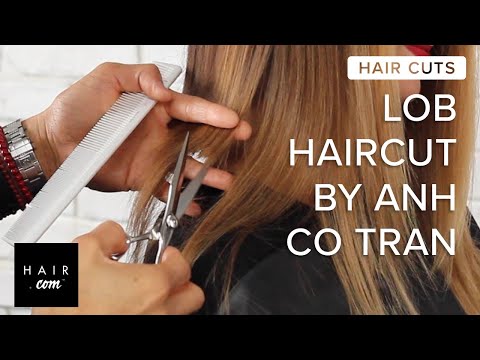
23 Cute Lob Long Bob Hairstyles & Haircuts for 2024

Table Of Content Lob Haircuts Stylists Are Raving About Right Now! Vanessa Hudgens' Asymmetrical Cut Stacked-back-&-sides multi-laye...